The Genetics you need to grow mushrooms
King Yeti is a leucistic Psilocybe Cubensis variety known for its dense morphology, pale coloration, and strong, consistent growth characteristics. As a stabilized expression within the Cubensis species, it produces high-quality cultures with desirable structure and reliable performance.
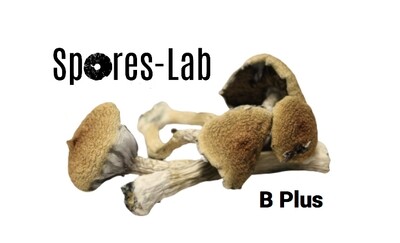
This variety is recognized for its thick stems, rounded caps, and reduced pigmentation, often appearing white to off-white throughout development. Like other leucitic varieties, King Yeti may display subtle variations in expression while maintaining overall consistency across well-isolated cultures.
King Yeti can be cultivated using standard Psilocybe Cubensis methods. It performs well on common grain substrates and fruits effectively on CVG or manure-based substrates under controlled environmental conditions. As with all Cubensis varieties, proper sterile technique and environmental control are essential for optimal results.
FORMAT INFORMATION
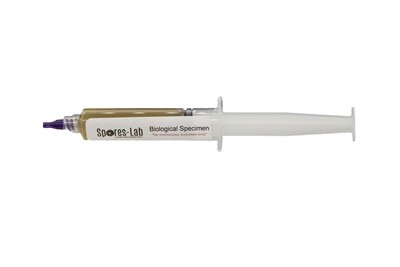
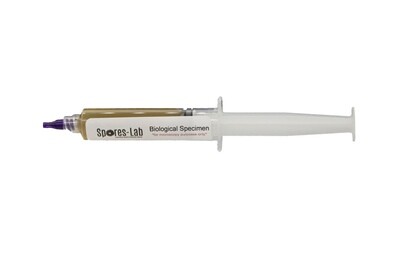
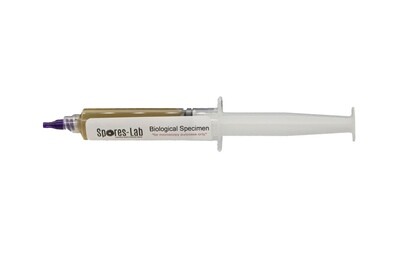
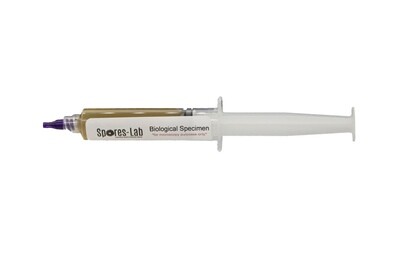
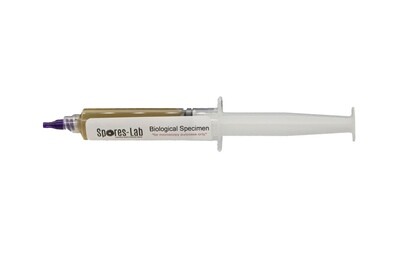
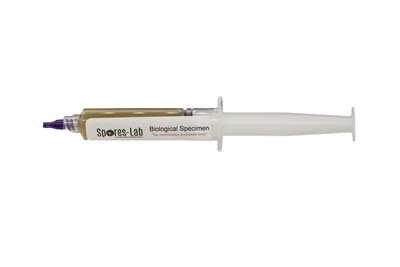
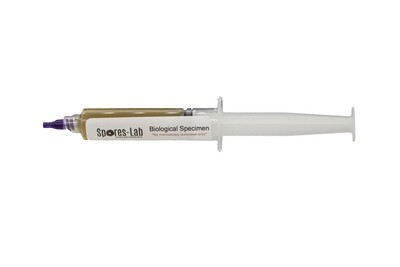
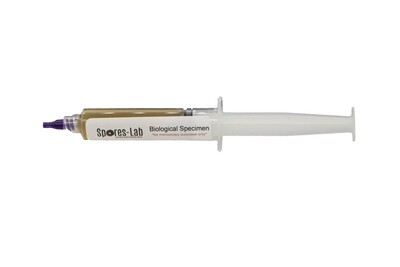
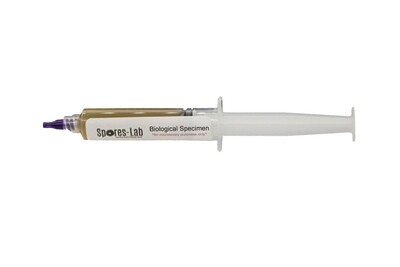
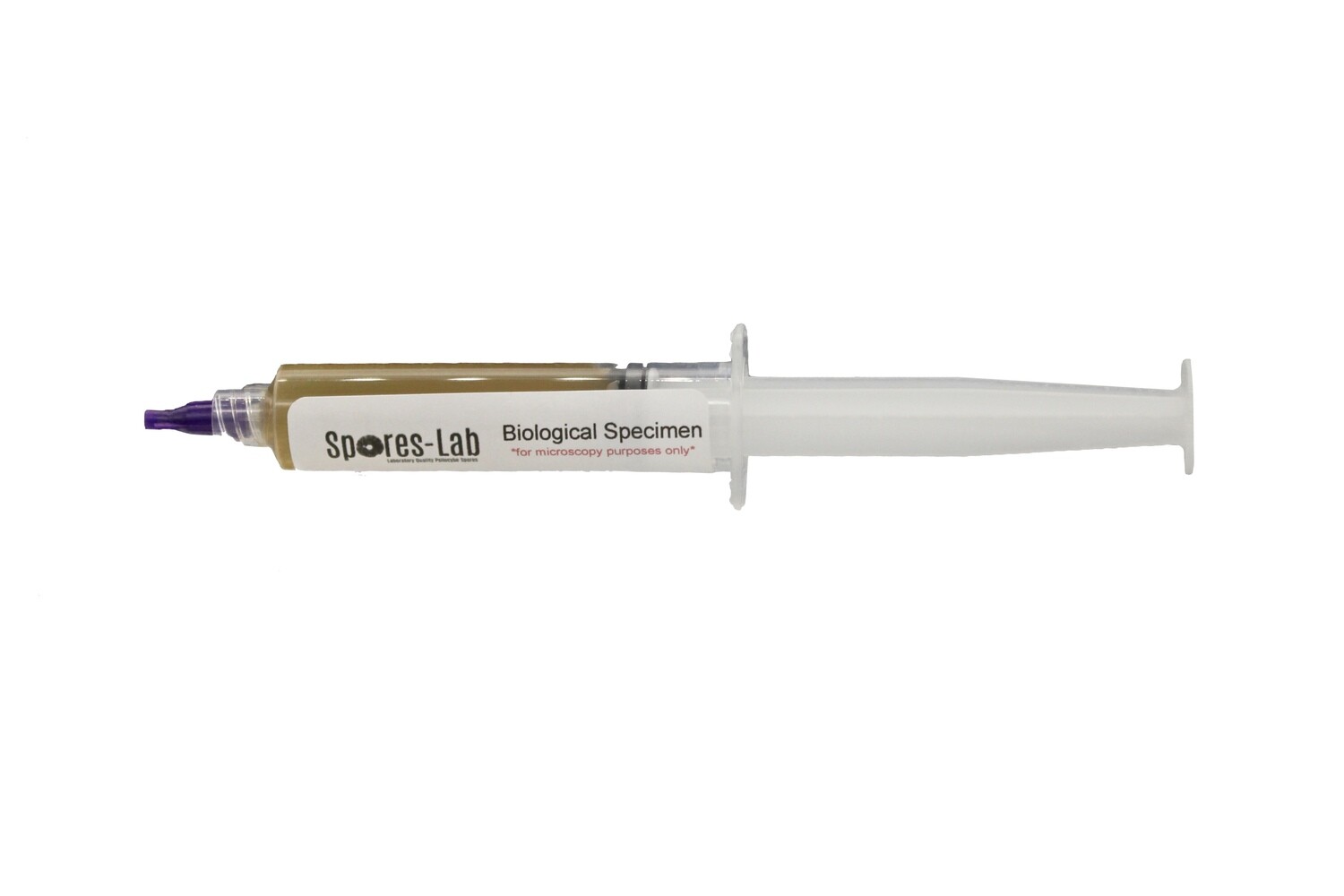
Liquid Culture Syringe Option Includes: 1x Yeti Cubensis Liquid Culture Syringe, 1x Sterile 18ga needle, 1x Alcohol Swab.
LIQUID CULTURES SHOULD BE REFRIGERATED, AND ARE VIABLE FOR 2-3 MONTHS.
Agar Culture Option Includes: 1x Yeti Cubensis Isolate Agar culture in a 100x15mm Parafilm-wrapped Petri Dish.
AGAR CULTURES ARE VIABLE FOR 1-2 MONTHS.
FRESHLY PREPARED FOR EVERY ORDER.
Our agar plates are not kept as pre-made inventory. Instead, each plate is prepared specifically for your order to maximize freshness, culture health, and viability.
While your selected variety may occasionally be available and ready to ship immediately, most agar plates are MADE TO ORDER. Please allow approximately 3 weeks for production before shipping.
Each plate is prepared under sterile laboratory conditions and carefully inspected prior to shipment.
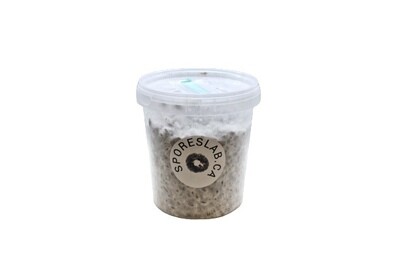
Master Culture Option Includes: 1x Fully Colonized Yeti Cubensis Mushroom Spawn Culture in a 3L spawn bag.
MASTER CULTURES SHOULD BE USED UPON RECEIVING.
FRESHLY PREPARED FOR EVERY ORDER.
Our 3L spawn bags are not kept as pre-made inventory. Instead, each plate is prepared specifically for your order to maximize freshness, culture health, and viability.
While your selected variety may occasionally be available and ready to ship immediately, most 3L spawn bags are MADE TO ORDER. Please allow approximately 3 weeks for production before shipping.
Each bag is prepared under sterile laboratory conditions and carefully inspected prior to shipment.
SPECIES INFORMATION
Habitat: Originally derived from cultivated Cubensis genetics; not found as a wild-type species
Climate: Subtropical to tropical
Species Origin: Leucistic Cubensis isolation, selectively stabilized through cultivation
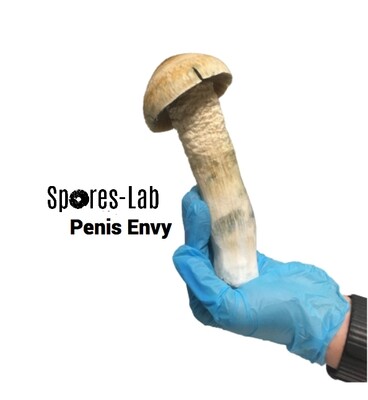
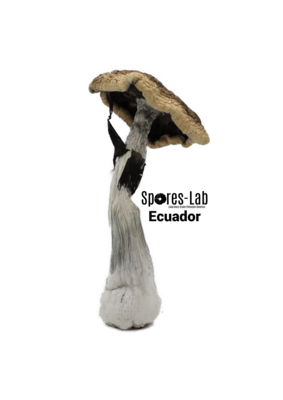
Cap: Medium to large, convex to broadly convex, often remaining rounded. Pale white to off-white in color, occasionally developing slight cream or light beige tones with maturity.
Stem: Thick, dense, and robust. White to off-white, often showing slight blue bruising when handled.
Gills: Adnate to adnexed, close, starting light gray and maturing to dark purplish-brown as spores develop.
Spores: Dark purplish-brown, smooth, elliptical, with a germ pore.